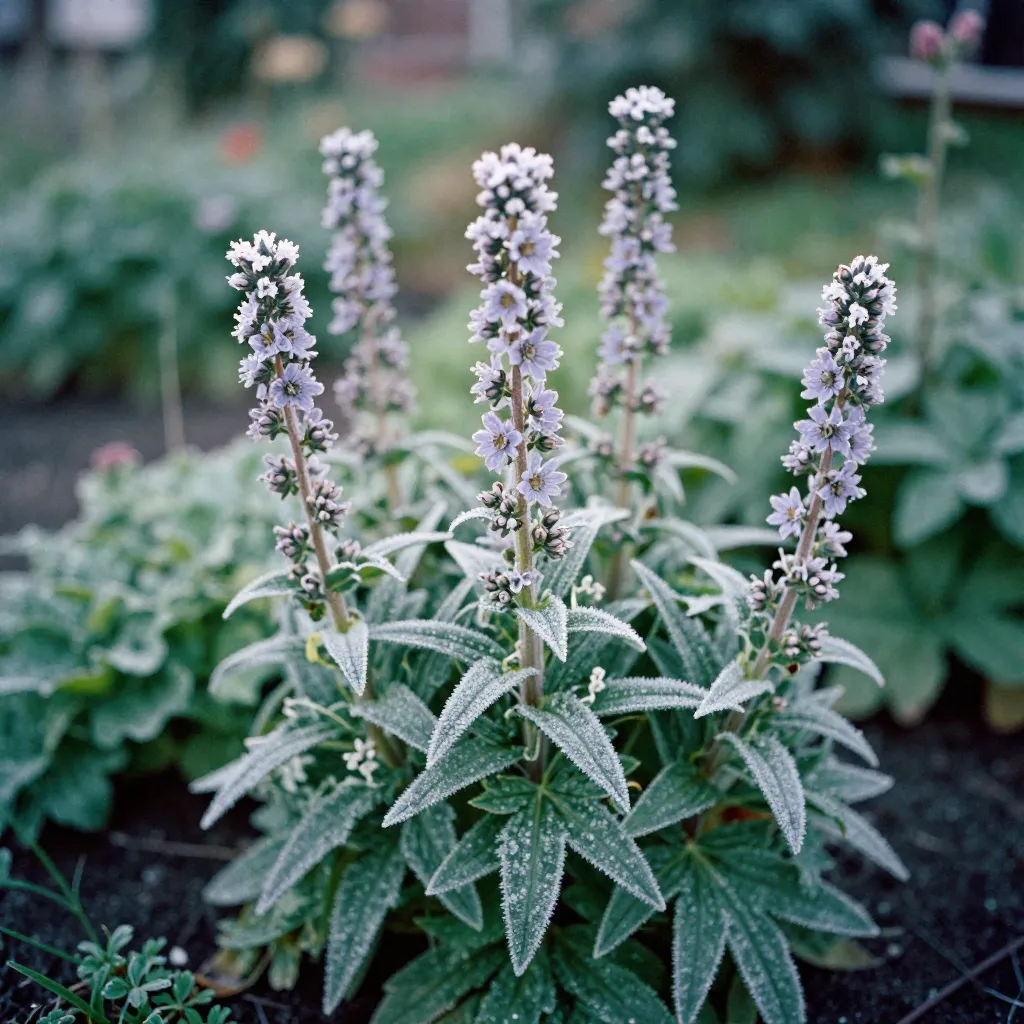
Winter Forms and Textures
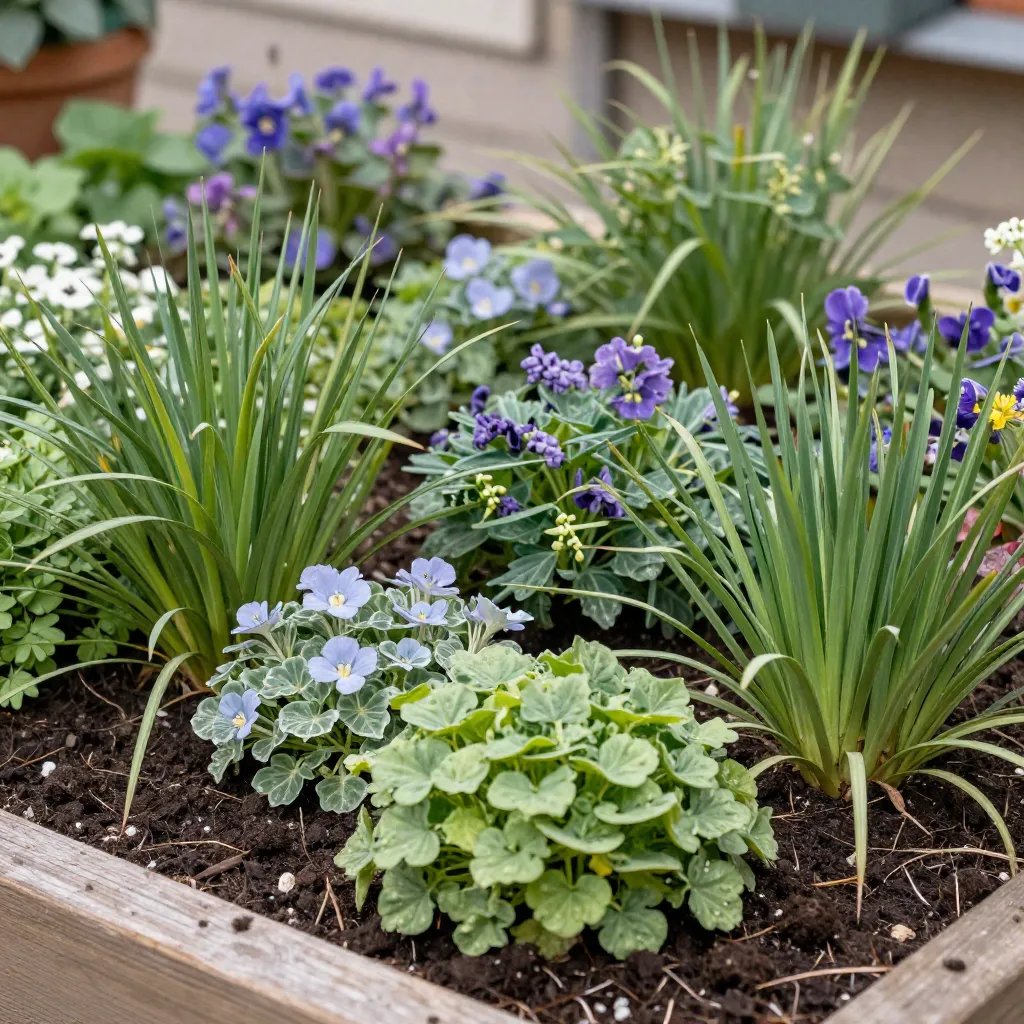
Deciduous Branch Patterns
Birch and other deciduous trees reveal intricate branching structures when leaves fall. These patterns create striking silhouettes against winter skies and provide perching sites for birds.
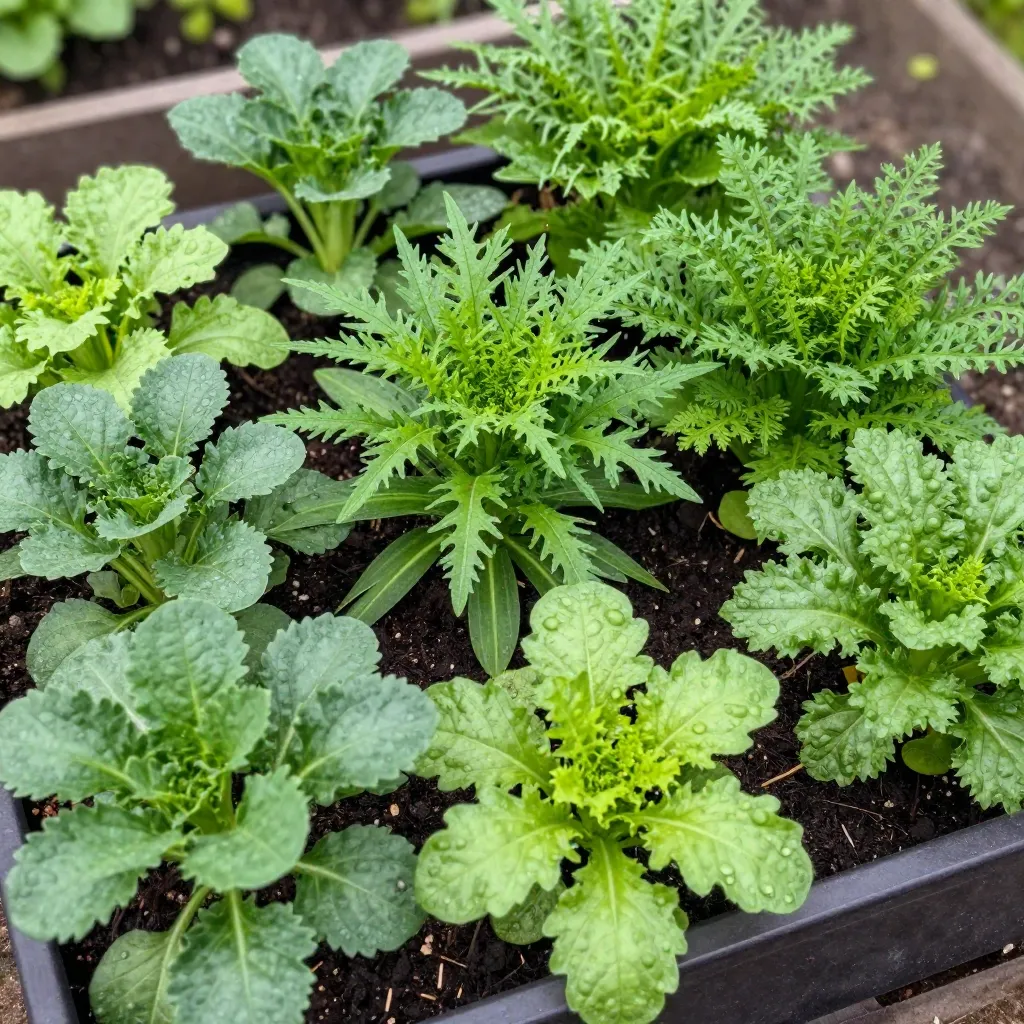
Evergreen Structure
Conifers maintain their form throughout winter, providing structure and color when other plants are dormant. Their layered branches catch and hold snow, creating natural sculptures.
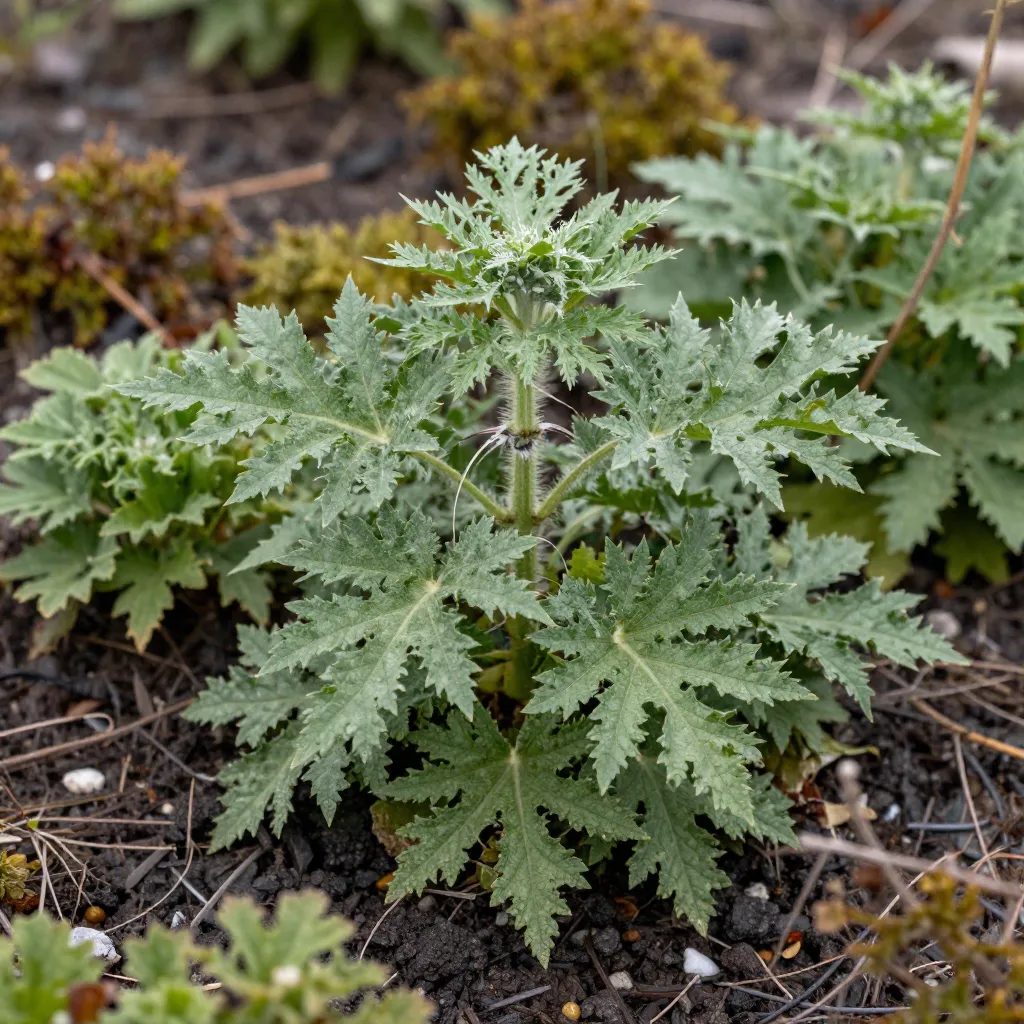
Seed Head Persistence
Many perennials retain their seed heads through winter, providing food for birds and creating textural interest. Frost and snow transform these structures into delicate ice sculptures.
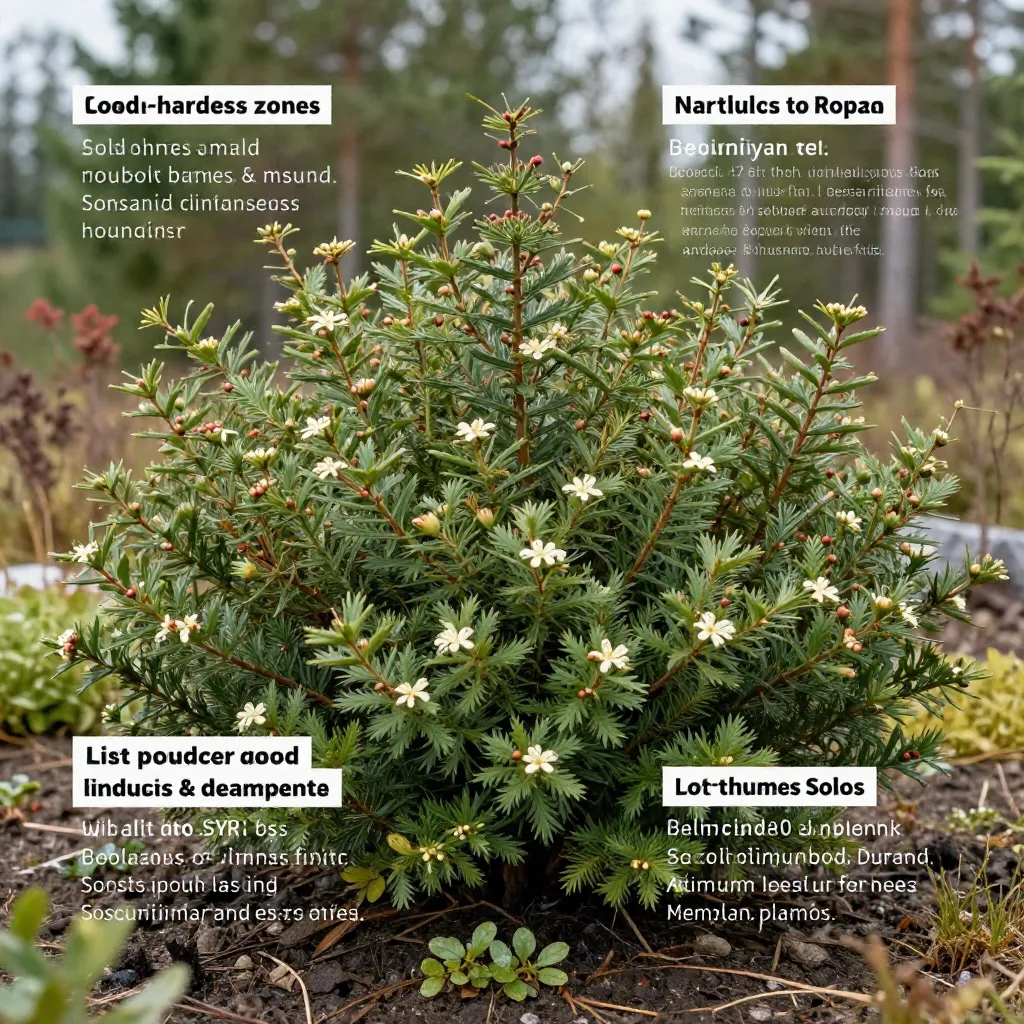
Bark Textures
Winter highlights the diverse bark textures of Finnish trees. From the peeling white bark of birch to the deeply fissured bark of pine, these surfaces add visual interest during the dormant season.
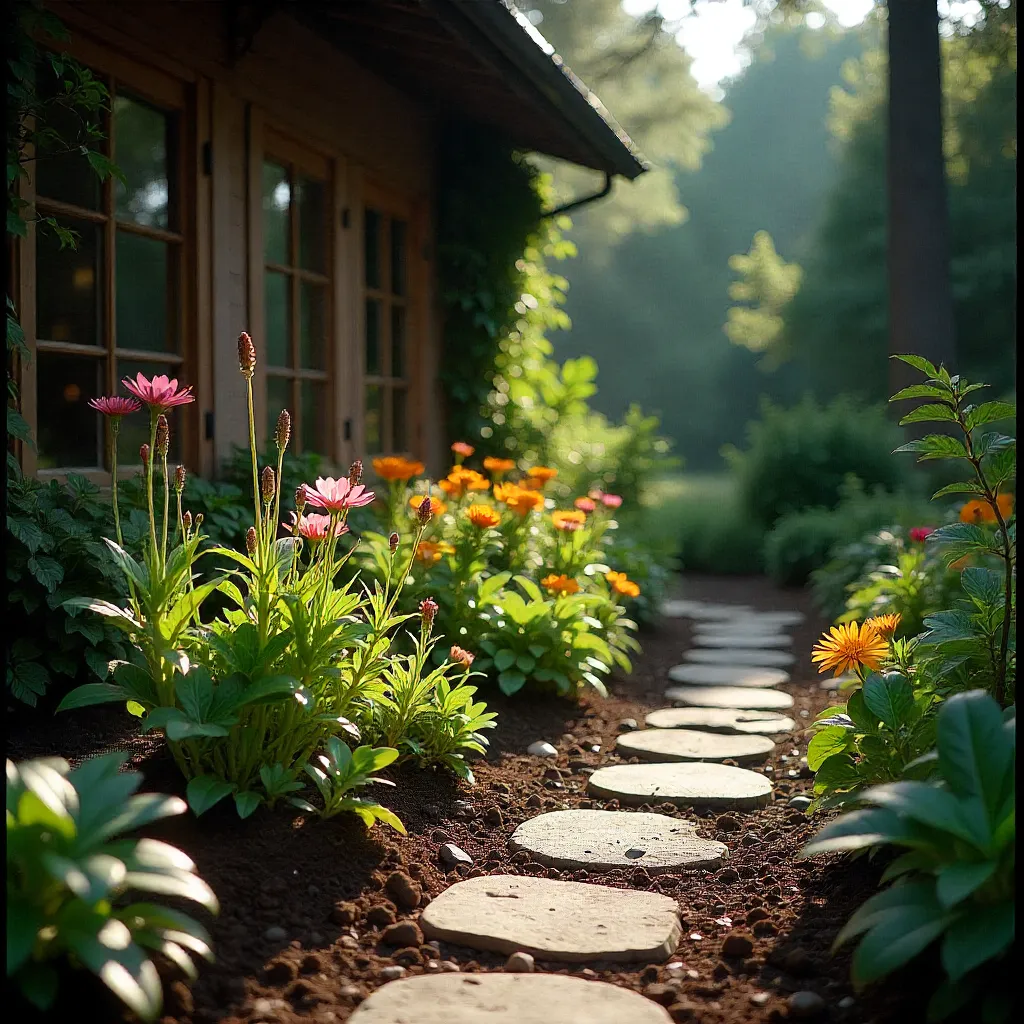
Groundcover Persistence
Low-growing evergreens and semi-evergreen groundcovers maintain their presence through winter. These plants create green carpets that contrast beautifully with snow-covered surroundings.
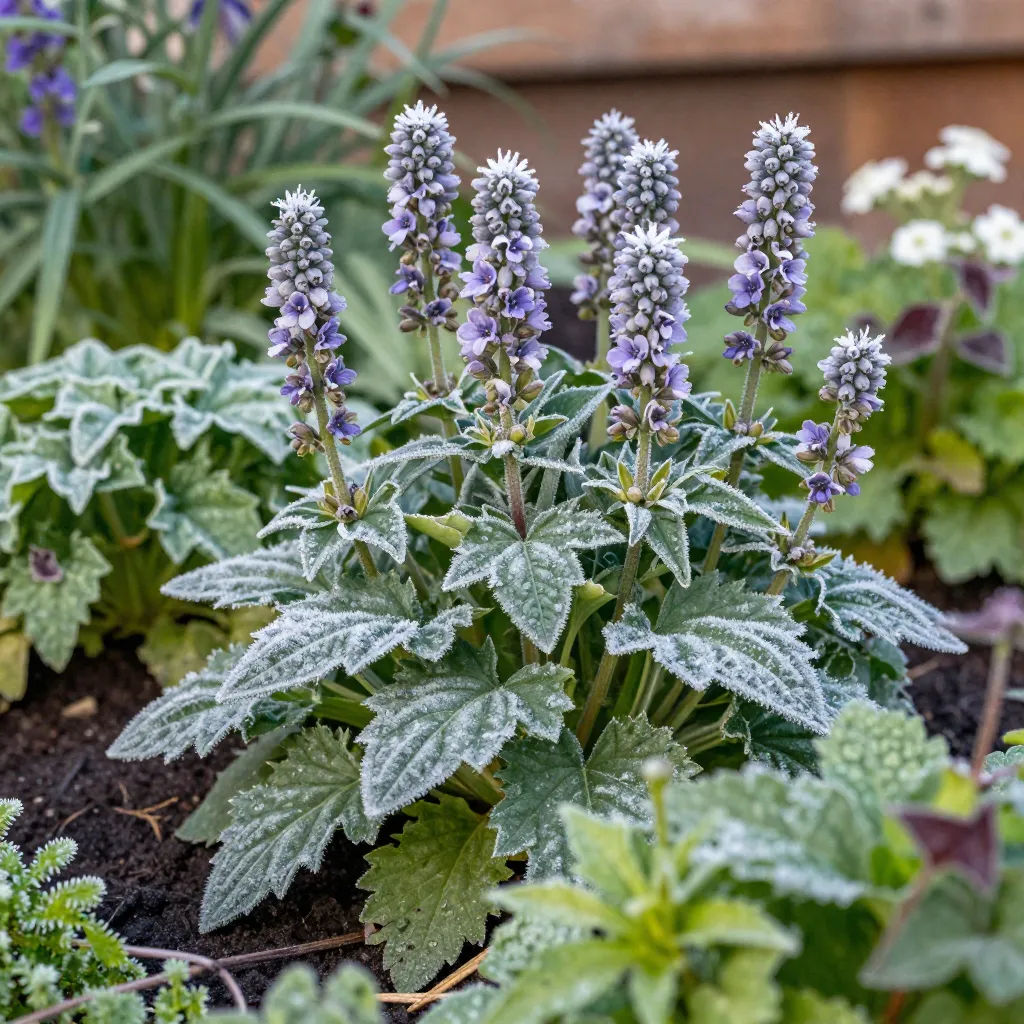
Compositional Balance
Thoughtful plant selection creates winter gardens with balanced forms, textures, and heights. Combining deciduous and evergreen elements ensures visual interest throughout the coldest months.
Designing for Winter
When selecting plants, consider their winter appearance alongside their growing season characteristics. Plants with interesting bark, persistent fruits, or evergreen foliage contribute to winter garden structure. Group plants with complementary winter forms to create cohesive compositions.
Functional Benefits
Winter structure serves practical purposes beyond aesthetics. Evergreen screens provide privacy year-round, while deciduous trees allow winter sunlight to reach the ground. Dense evergreens create windbreaks that protect more tender plants and improve microclimates.